
Shoulder Instability Treatment in Singapore
Effective care for shoulder instability by Dr Chew Chee Ping
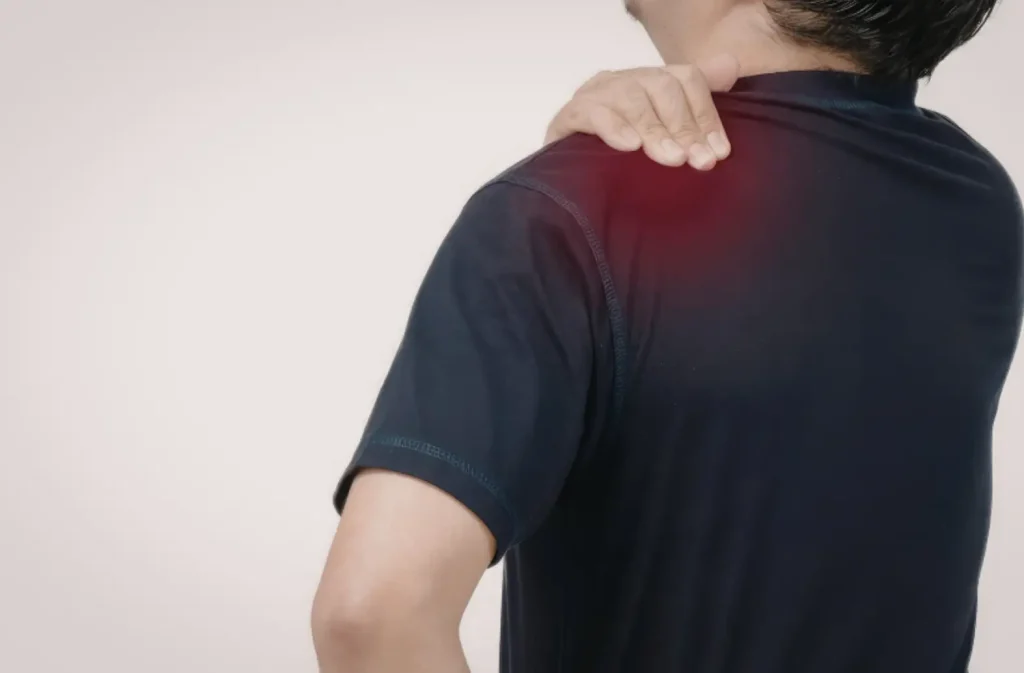
What is shoulder instability? And what causes it?
The shoulder is naturally a highly mobile joint that relies on the surrounding muscles, ligaments, and soft tissues for stability. Shoulder instability occurs when the structures that normally keep the shoulder joint in place become stretched, torn, or weakened. As a result, the shoulder may feel loose, slip partially out of place (subluxation), or dislocate completely.
This may happen after an injury such as a fall or sports tackle, which can damage the tissues that help keep the shoulder stable. Once these structures are weakened or torn, the shoulder becomes more prone to repeated dislocations or feelings of looseness and instability.
Symptoms of shoulder instability
Symptoms can vary depending on whether the injury is sudden or ongoing. Common symptoms include:
- Pain in the shoulder, especially after an injury
- Swelling or bruising
- Weakness or numbness in the arm
- A feeling that the shoulder is loose, unstable, or “popping out”
- Repeated shoulder dislocations
- Difficulty with certain movements, such as throwing or reaching behind the body
Some people may also feel like the shoulder slips in and out of the joint during daily activities.
Common injuries associated with shoulder instability
Shoulder instability may occur alongside injuries such as:
- Labral tears (Bankart lesions)
- Hill-Sachs lesions
- Rotator cuff injuries
- Cartilage damage
Identifying these injuries is important when determining whether surgery is required.

Risk factors
- Trauma and Dislocation: A sudden injury to a healthy shoulder, including a complete or partial dislocation, may cause lasting damage to the joint’s stability over time.
- Repetitive Overhead Activities: Activities that involve repeated overhead movements can gradually wear down the joint and cause the surrounding capsule to stretch, resulting in a loose and unstable shoulder.
- Joint hypermobility: Some individuals naturally have looser joints and ligaments, which may increase the risk of shoulder instability.
How is shoulder instability diagnosed?
Medical history and physical examination
Your doctor will assess symptoms such as shoulder pain, weakness, repeated dislocations, instability, and range of motion.


Imaging tests
X-rays, MRI scans, CT scans, or ultrasound may be used to check for bone injuries, labral tears, rotator cuff damage, and other soft tissue injuries around the shoulder joint.
Treatment options shoulder instability and recovery
Treatment for shoulder instability depends on the severity of the condition and its cause. In many cases, treatment begins with non-surgical approaches.
Non-surgical treatment may include:
- Rest – Limiting activities that aggravate the shoulder joint to allow it to heal.
- Shoulder bracing – Using a brace to provide additional support and help stabilise the shoulder joint.
- Ice or cold therapy – Applying ice packs to reduce pain and inflammation in the affected area.
- Anti-inflammatory medication – Taking medications to help manage pain and swelling.
- Activity modification – Avoiding movements or positions that place strain on the shoulder or increase the risk of reinjury.
- Physiotherapy and shoulder exercises – Strengthening the rotator cuff and surrounding muscles to improve shoulder movement, control, and stability.
Surgical treatment may be recommended if the shoulder remains unstable, dislocates repeatedly, or if there is significant joint damage. Most procedures are performed arthroscopically using minimally invasive techniques to repair torn tissues, tighten loose structures, and restore shoulder stability.
In more severe cases, additional procedures or open surgery may be required.
What Happens After Shoulder Surgery
- Wound Care: Keep your shoulder dressing clean and dry. Showering is fine with a waterproof dressing but avoid submerging the wound. If the dressing gets wet or falls off, visit a clinic to have it replaced.
- Pain Relief: Take painkillers as prescribed by your doctor. If pain worsens despite medication, contact your clinic or hospital.
- Blood Circulation: If your operated arm feels numb, or your fingers turn cold or blue, seek emergency medical attention immediately.
- Arm Sling: Wear your arm sling for 4 to 6 weeks. It can be removed for showering, dressing, or physiotherapy.
- Rehabilitation: Follow the exercises given by your physiotherapist to restore shoulder movement and reduce scarring. Strengthening exercises will be gradually added to your recovery plan.

Meet Our Doctor
Dr Chew Chee Ping
Senior Consultant Orthopaedic Surgeon
Dr Chew Chee Ping is an orthopaedic surgeon who specializes in shoulder pain and treatment. With extensive experience and a dedication to patient care, Dr Chew works to provide patients with effective and lasting relief from shoulder pain.
Frequently Asked Questions
A shoulder dislocation is a specific event where the upper arm bone completely pops out of the shoulder socket, usually from injury or trauma.
Shoulder instability is a chronic condition where the joint is too loose, causing the shoulder to repeatedly slip in and out of place even during everyday activities.
A dislocation is seen as a one-time event, while instability is an ongoing condition. However, the two are closely linked – a severe dislocation can lead to chronic instability over time.
While it may not be possible to prevent every shoulder injury, the following measures can help reduce your risk:
- Warming up adequately before physical activity
- Strengthening the shoulder and upper back muscles through regular exercise
- Maintaining proper form and technique during sports and physical activity
- Avoiding movements that cause pain or feelings of instability
For patients with a history of shoulder instability, adhering to a structured rehabilitation programme and taking precautions to prevent reinjury can help reduce the risk of recurrence.
Yes, in the majority of cases, patients are able to return to sports following appropriate treatment and rehabilitation. The timeline may vary depending on the severity of the condition, the type of treatment received, and the demands of the sport. We encourage you to consult your doctor for a personalised recovery plan.
Surgery is not always the first option for treating shoulder instability. Most cases are initially managed through non-surgical approaches.
However, surgery may be recommended if you experience repeated dislocations, have structural damage to the shoulder, or do not respond to conservative treatments.