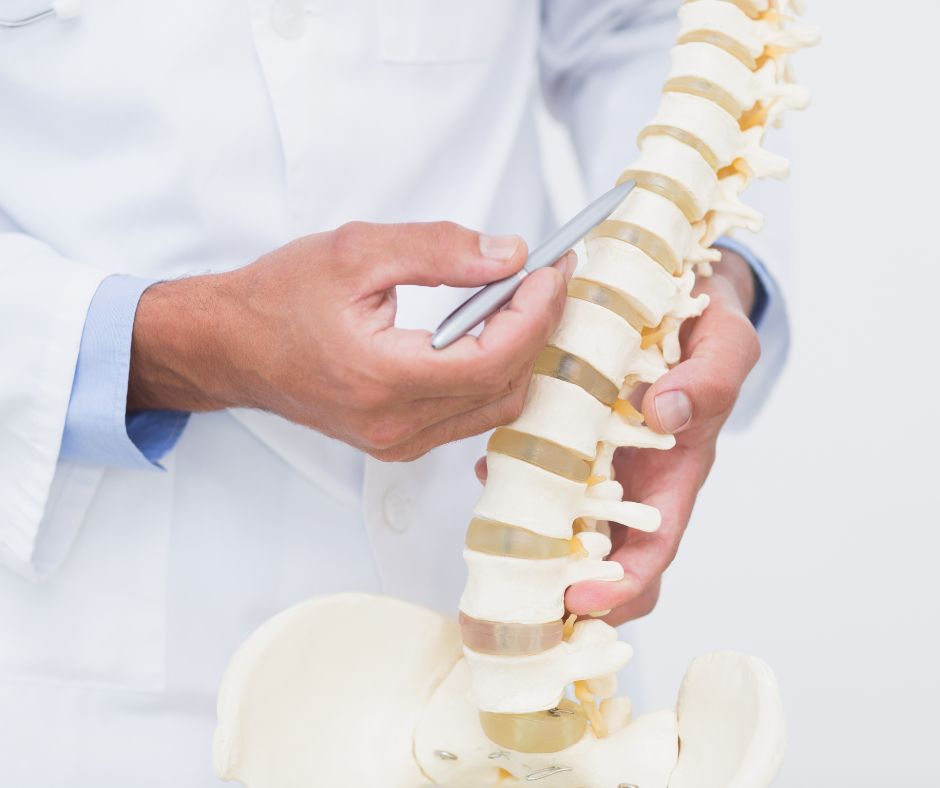
Between each bone in your spine are soft, cushion-like discs that act as shock absorbers and help your spine move smoothly.
A slipped disc happens when the soft inner part of a disc bulges out through a tear in its outer layer. This can press on nearby nerves and cause pain, numbness, or weakness in your back or legs.
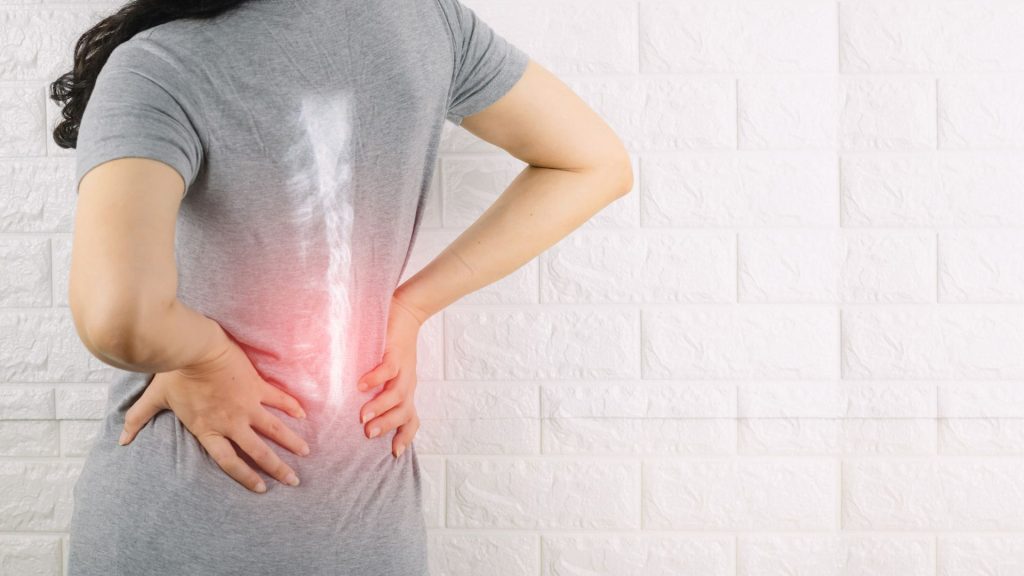
Also called a herniated, ruptured, or prolapsed disc, this condition often leads to sudden, sharp lower back pain and can affect how you move or feel.
A slipped disc is mainly caused by gradual wear and tear as the discs lose flexibility with age, making them more prone to injury. Other contributing factors include:
Strain from lifting heavy objects incorrectly (e.g. using the back instead of the legs).
Movements or twists that put excess pressure on the spine.
Traumatic incidents, such as falls or blows to the back (though rare).
Common Symptoms
Numbness, tingling, or sharp pain starting from the lower back and radiating down the buttocks, legs, or feet (sciatica).
Pain in the buttocks, thighs, calves, or feet, which may worsen with coughing, sneezing, or certain movements.
Muscle weakness that can cause stumbling or difficulty lifting and holding objects.
Numbness in areas served by affected nerves, including the genitals and groin area.
Difficulty controlling bowel movements or urination.
The most common age to develop a slipped disc is between 20 and 50 years. Factors that may increase the risk include:
Jobs involving a lot of lifting
Jobs involving a lot of sitting (e.g., driving)
Weight-bearing sports (e.g., weightlifting)
Smoking
Obesity
Increasing age
When to See a doctor
See a doctor early if your pain doesn’t improve with rest, over-the-counter medication, or heat/cold packs or if it worsens, especially with numbness, tingling, or weakness in your limbs.
In rare cases, pressure on nerves can affect bladder or bowel control or cause numbness in the inner thighs or groin area. This is a medical emergency and needs immediate attention.
Delaying treatment can lead to long-term nerve damage, patients who wait over six months often respond less well to treatment than those who seek help earlier.
How is it Diagnosed?
Most slipped discs are diagnosed based on medical history and physical exams. Imaging like MRI (gold standard), CT scans, X-rays, or nerve tests (electromyography and nerve conduction studies) may be done if symptoms persist or worsen.
Treatment Options
Non-Surgical Treatment Options
Rest and Activity Modification: Stay active as soon as possible with light movement to aid recovery.
Pain Relief: Use nonsteroidal anti-inflammatory drugs (NSAIDs) such as ibuprofen, naproxen and aspirin, cold/hot packs, or muscle relaxants to manage pain.
Physiotherapy: Involves exercises, stretching, and methods like traction, ultrasound, and electrical therapy to strengthen your back and prevent future injury.
Injections: Steroid injections or nerve ablation may help with persistent symptoms.
Surgical Treatment Options
Surgery may be needed if conservative treatments fail and there is pressure on the spinal cord causing serious symptoms (e.g. incontinence, severe weakness).
Common surgical procedures include:
Discectomy: Removes the herniated part of the disc to relieve pressure on nerves.
Laminectomy: Removes part of the bone or tissue pressing on the spinal cord or nerves.
Why Choose Alpha Joints & Orthopaedics?
Personalised treatment for patients of all ages
Commitment to exceed patient expectation
Conveniently located in Gleneagles and Orchard
Frequently Asked Questions
How can I prevent a slipped disc?
Keep a healthy weight: Reduces strain on your lower back and protects the spinal discs from excess pressure.
Avoid smoking: Smoking may limit blood flow to spinal discs, increasing the risk of damage.
Exercise regularly: Strengthen and stretch your core and back muscles Pilates-style exercises are especially helpful.
Practice good posture: Sit and stand with proper alignment to reduce stress on your spine.
Lift correctly: Use safe lifting techniques, bend your knees and don’t hesitate to ask for help or use lifting aids for heavy items.
How long does it take for a slipped disc to heal?
A slipped or herniated disc usually heals within 4 to 12 weeks after surgery or treatment, though recovery may take longer in some cases. Most people feel better within weeks and can return to normal activities in a few months.
Can slipped disc be cured permanently?
While the probability of relapse after surgery is low, there is no guarantee your slipped disc will not recur. Managing symptoms, preventing future herniations, and addressing any underlying factors are important for long-term spinal health.
How to tell if back pain is muscle or spine?
Back muscle inflammation can last beyond three days, while spinal pain is less common and often feels sharp or shooting. Unlike muscle pain, spinal pain may radiate to the legs, glutes, or groin.
Find the Right Care for Slipped & Herniated Discs
Let us help you regain movement and ease your pain. Book an appointment with us today.